Material HB Title
STAINLESS STEEL 316L CUTTING OR MILLING?

Material HB Description
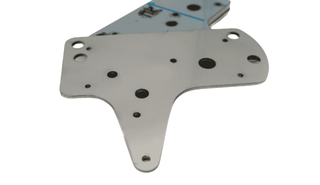
Discover stainless steel cutting or milling at CutWise.
CALCULATE PRICE DIRECTLY
Overview Text

RVS 316L KGW 2B 1ZF

Metals

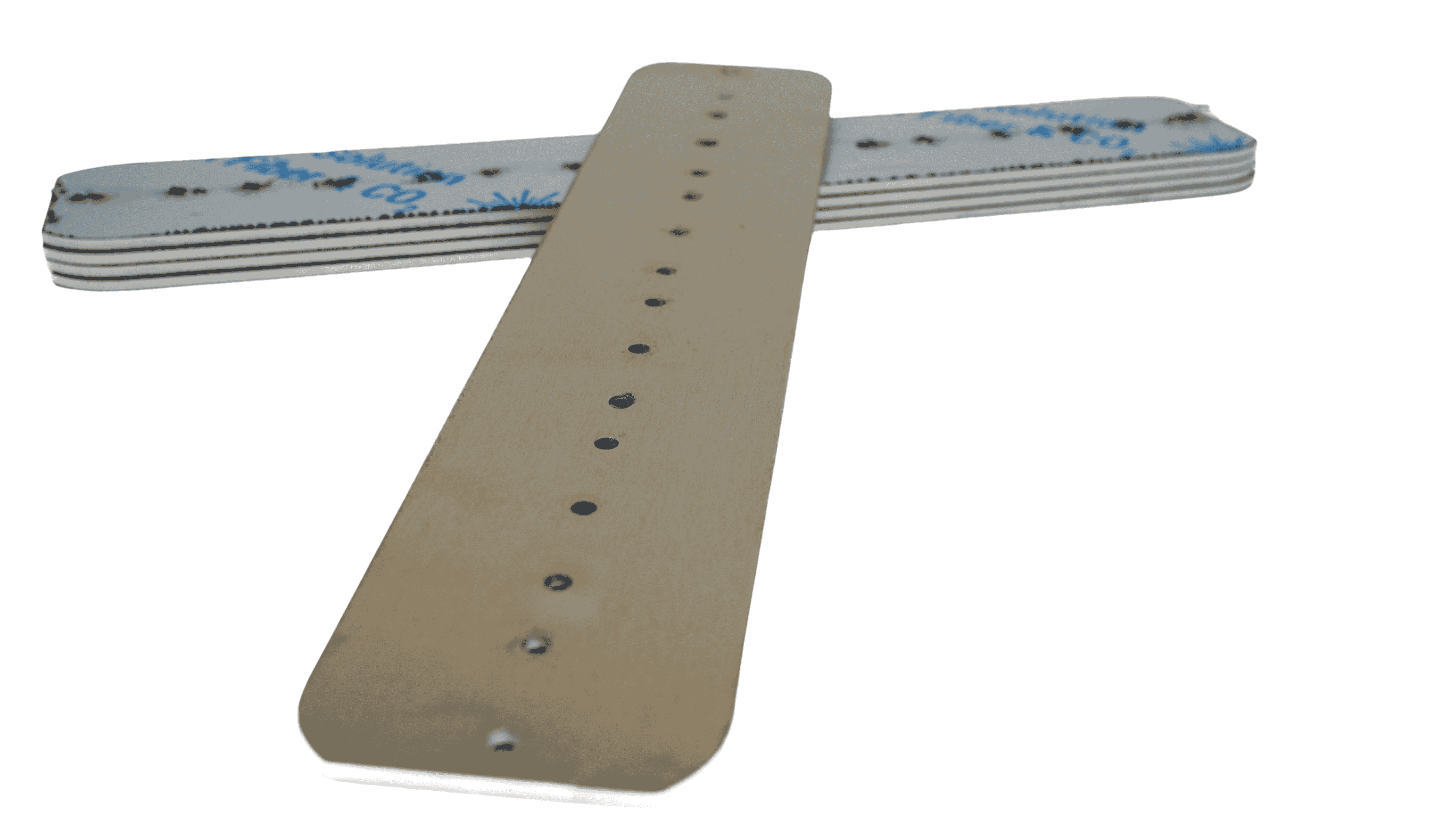
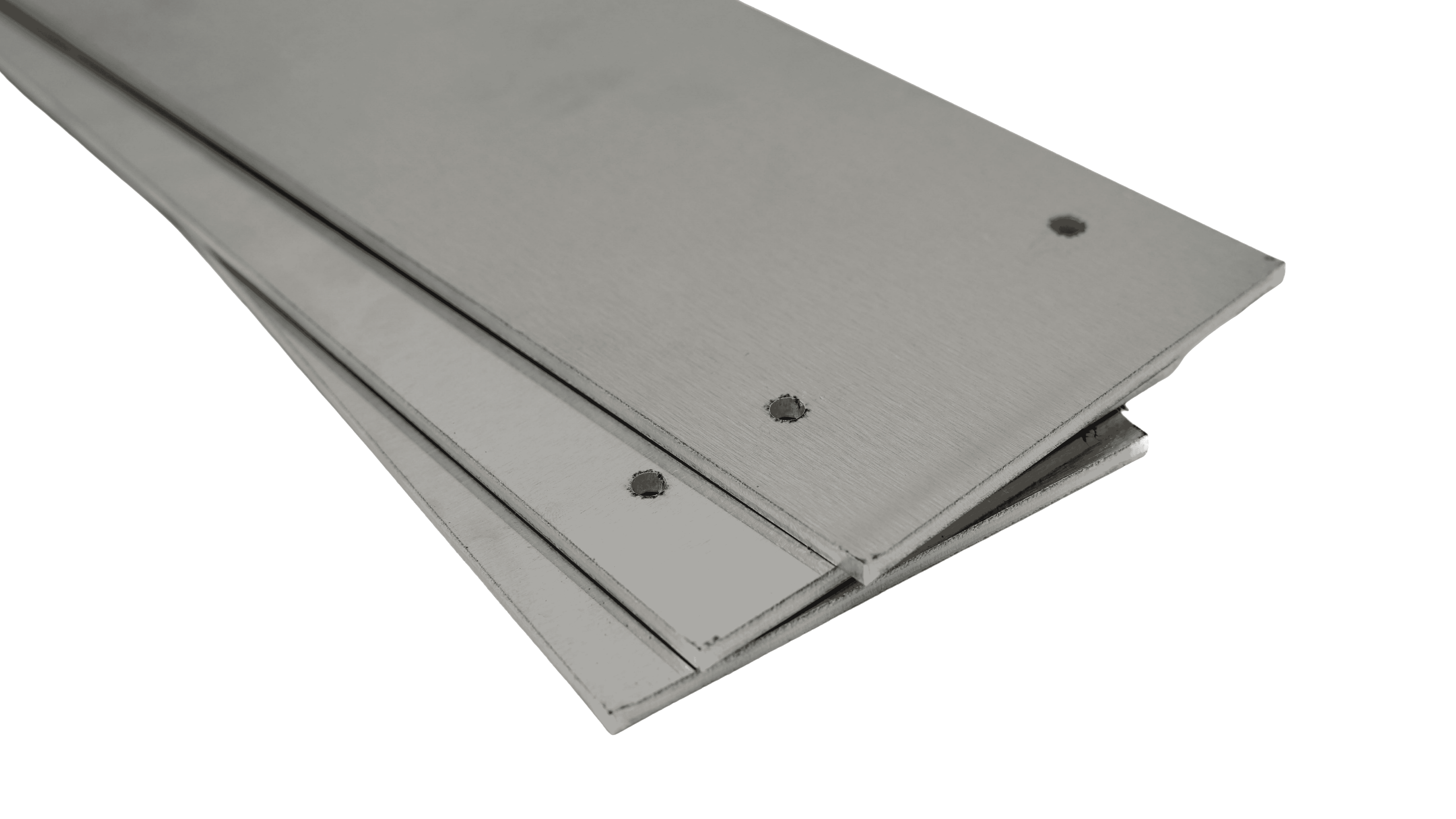
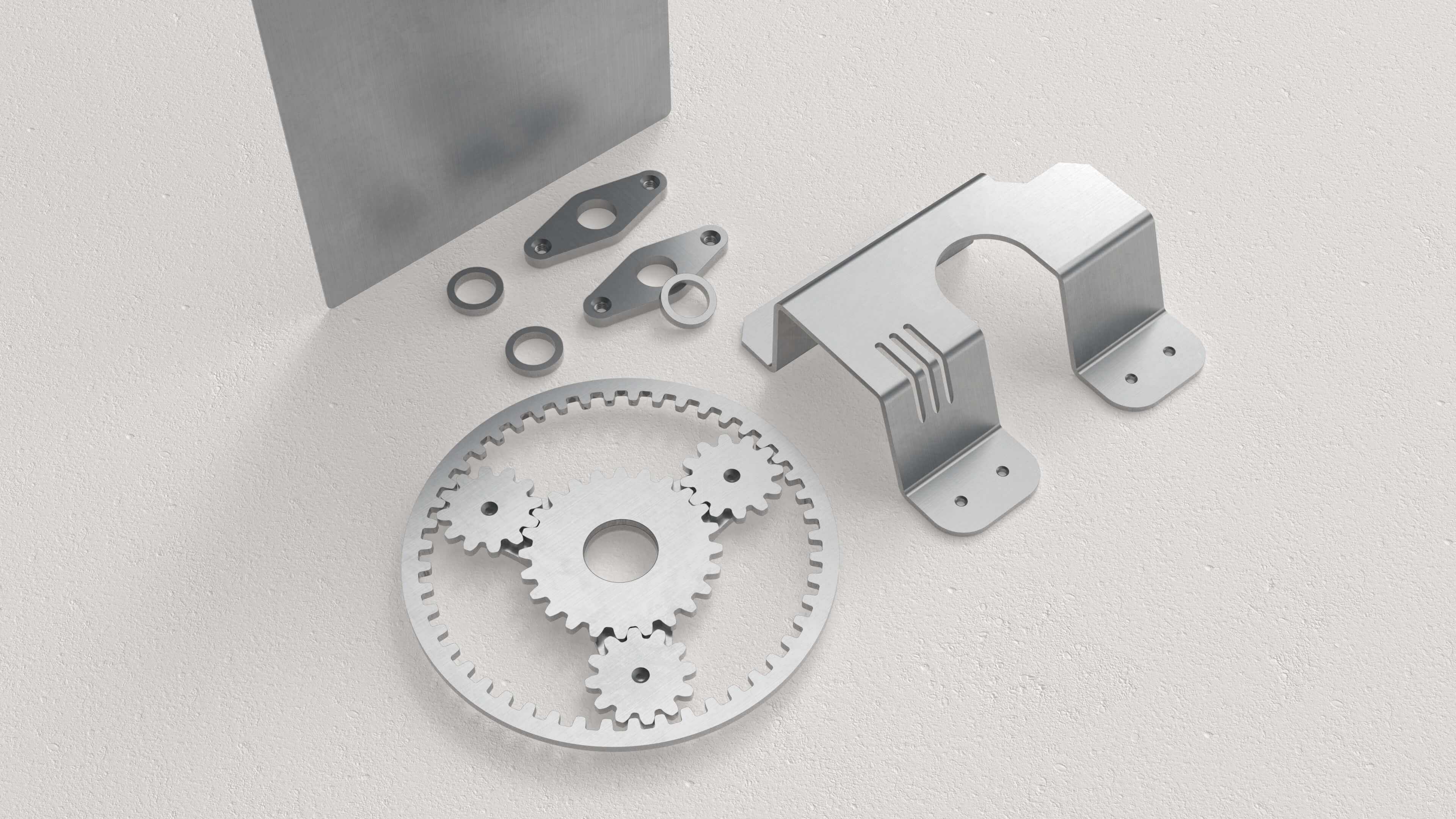
RVS 316L KGW 2B 1ZF is a cold-rolled, austenitic chromium-nickel-molybdenum stainless steel sheet with a smooth 2B finish and one-sided protective film. Thanks to its low carbon content (L = low carbon), this material is highly weldable without the risk of intergranular corrosion. The addition of molybdenum improves corrosion resistance, especially in chloride-containing environments. The combination of excellent corrosion resistance, smooth finish, and workability makes it ideal for demanding applications.
Known alternative designations include 1.4404, AISI 316L, and X2CrNiMo17-12-2.

  • Laser cutting
  • Milling
Calculate price directly

RVS 316L KGW 2B 1ZF cutting or milling

Properties of RVS 316L KGW 2B 1ZF

  • Smooth, matte surface (2B finish) with one-sided protective film
  • Excellent corrosion resistance, even in marine and chemical environments
  • Low carbon content prevents intergranular corrosion after welding
  • Good formability, suitable for bending and deep drawing
  • Flatness and thickness tolerances according to NEN-EN-ISO 9445-2
  • Non-magnetic in annealed condition
  • Suitable for applications in food industry, pharmaceuticals, and architecture
  • Available in various thicknesses, typically from 1 to 6 mm

These properties make RVS 316L KGW 2B 1ZF a versatile choice for applications where both functionality and aesthetics are important.

Datasheet Title
Technical properties of RVS 316L KGW 2B 1ZF

Product information and operations
Thickness Dimensions Laser cutting Milling Bending
Technical properties

General

Density 7,9 g/cm³

Color Silver-grey (matt)

Surface Finish 2B (cold-rolled, matt)

Temperature Range

Minimum Service Temperature -196 °C

Maximum Service Temperature +550 °C

Mechanical Properties

Tensile Strength 500–700 MPa

Elongation at Break (A50) ≥ 45%

Yield Strength (Rp0.2) ≥ 190 MPa

Hardness (Brinell) ca. 150 HB

Chemical Composition

Carbon (C) ≤ 0,03%

Chromium (Cr) 16,5–18,5%

Nickel (Ni) 10–13%

Molybdenum (Mo) 2–2,5%

Manganese (Mn) ≤ 2,0%

Silicon (Si) ≤ 1,0%

Phosphorus (P) ≤ 0,045%

Sulfur (S) ≤ 0,015%

Thermal Properties

Specific Heat Capacity 500 J/kg·K

Coefficient of Linear Thermal Expansion 16,5 × 10⁻⁶ /K

Thermal Conductivity 16 W/m·K

Applications of RVS 316L KGW 2B 1ZF

Food industry: countertops, storage tanks, and conveyor belts

Pharmaceutical equipment: enclosures and work surfaces

Chemical industry: piping and reaction vessels

Marine applications: shipbuilding and offshore structures

Architecture: façade cladding and interior finishes

Medical devices: instruments and housings

Automotive: exhaust systems and trim

Machinery: visible parts and protective covers

Frequently Asked Questions about RVS 316L KGW 2B 1ZF

What does “KGW 2B 1ZF” mean?

“KGW” stands for cold-rolled, “2B” refers to the smooth, matte finish achieved by cold rolling and pickling, and “1ZF” indicates that one side is protected with a peel-off film.

Is 316L stainless steel suitable for food-industry applications?

Yes, 316L meets food-contact requirements and is widely used in the food industry.

Can 316L KGW 2B 1ZF be welded?

Yes, its low carbon content ensures excellent weldability without risk of intergranular corrosion.

What is the difference between 304L and 316L stainless steel?

316L contains molybdenum, which enhances corrosion resistance in chloride-rich environments, making it better suited for marine and chemical uses than 304L.

Is this material suitable for outdoor use?

Yes, 316L is highly resistant to weathering and seawater, ideal for exterior applications.

What thicknesses are standard?

316L KGW 2B 1ZF is typically available in 1 mm to 6 mm thicknesses, depending on the supplier.

Can it be used for visible (architectural) work?

Yes, the smooth 2B surface and protective film make it perfect for decorative and visible installations.

Is the material magnetic?

316L is austenitic and therefore essentially non-magnetic, though slight magnetism can develop after heavy cold forming.

HOW IT WORKS

Step
Upload

Upload your files

Upload your DXF, STEP, AI, or EPS file and start your order immediately.

Step
Sheet

Choose your material

Select from plastic, rubber, steel, stainless steel, or aluminum for your part.

Step
Document

Receive a quote within 10 seconds

After the quote, choose the desired delivery time that fits your schedule.

Step
Laser

Production

Ordered? We start production at the right moment for your delivery.

Step
Shipping

Delivery

Follow each step in real time, from production to delivery, for complete transparency.

Discover how CutWise works

Join thousands of companies using CutWise

Shell Honeywell Rolls Royce Volvo Siemens Tesla Philips
24/7 online laser cutting and milling

Quote in under 10 seconds
Order starting from 1 piece
ISO 9001:2015 certified
2000 m² machine park
150,000 parts per week
 

WHAT WILL YOU HAVE MADE TODAY?

CALCULATE PRICE NOW 

Material HB Title
RVS 304L CUTTING OR MILLING

Material HB Description
Discover RVS cutting or milling at CutWise.
CALCULATE PRICE DIRECTLY
Overview Text

SS 304L CR 240 Grid 1sf

Metals

RVS 304L KGW K240 1ZF is a cold-rolled, austenitic chromium-nickel stainless steel sheet with a ground surface (grain 240) and one-sided protective film. Thanks to its low carbon content (L = low carbon), this material is highly weldable without risk of intergranular corrosion. The combination of good corrosion resistance, attractive finish, and workability makes it ideal for visual applications in demanding environments.
Known alternative designations include 1.4307, AISI 304L, and X2CrNi18-9.

  • Laser cutting
  • Milling

Calculate price directly

RVS 304L KGW K240 1ZF cutting or milling
Properties of SS 304L CR 240 Grid 1sf

  • Ground surface (K240) with an aesthetic appearance
  • One-sided protective film (1ZF) prevents scratches during processing
  • Excellent corrosion resistance in various environments
  • Low carbon content prevents intergranular corrosion after welding
  • Good formability, suitable for bending and deep drawing
  • Flatness and thickness tolerances according to NEN-EN-ISO 9445-2
  • Not suitable for marine or highly chloride-rich environments
  • Dual certified as 1.4301 / 1.4307

These properties make RVS 304L KGW K240 1ZF a versatile choice for applications where both functionality and aesthetics are important.

Datasheet Title
Technical properties of SS 304L CR 240 Grid 1sf

Product information and operations
Thickness Dimensions Laser cutting Milling Bending
Technical properties

General

Density 7,9 g/cm³

Color Silver-grey (ground)

Surface Finish Ground (K240) with single-sided foil

Temperature Range

Minimum Service Temperature -196 °C

Maximum Service Temperature +550 °C

Mechanical Properties

Tensile Strength 500–700 MPa

Elongation at Break ≥ 45%

Yield Strength (Rp0.2) ≥ 190 MPa

Hardness (Brinell) ca. 150 HB

Chemical Composition

Carbon (C) ≤ 0,03%

Chromium (Cr) 17,5–19,5%

Nickel (Ni) 8,0–10,5%

Manganese (Mn) ≤ 2,0%

Silicon (Si) ≤ 1,0%

Phosphorus (P) ≤ 0,045%

Sulfur (S) ≤ 0,015%

Thermal Properties

Specific Heat Capacity 500 J/kg·K

Coefficient of Linear Thermal Expansion 16,5 × 10⁻⁶ /K

Thermal Conductivity 16 W/m·K

Applications of SS 304L CR 240 Grid 1sf

Food industry: countertops, storage tanks, and conveyor belts

Equipment manufacturing: housings and panels

Interior design: kitchen fronts and designer furniture

Medical devices: enclosures and work surfaces

Automotive: trim and interior parts

Machinery: visible components and protective covers

Retail & hospitality: counters and displays

Retail & hospitality: counters and displays

Frequently Asked Questions about SS 304L CR 240 Grid 1sf

What does “KGW K240 1ZF” mean?

“KGW” stands for cold-rolled, “K240” refers to the 240-grit finish achieved by polishing, and “1ZF” indicates a protective film on one side.

Is 304L stainless steel suitable for food-industry use?

Yes, 304L meets all food-contact standards and is widely used in food processing.

Can 304L KGW K240 1ZF be welded?

Yes, its low carbon content ensures excellent weldability without risking intergranular corrosion.


What is the difference between 304 and 304L stainless steel?

304L has lower carbon content than 304, making it better for welding applications where intergranular corrosion must be avoided.

Is this material suitable for marine environments?

No, for chloride-rich or marine conditions, 316L is recommended due to its superior corrosion resistance.


What thicknesses are standard?

304L KGW K240 1ZF is typically available in 1 mm to 4 mm, depending on the supplier.

Can it be used for visible architectural work?

Yes, the smooth K240 surface and protective film make it perfect for decorative and exposed installations.

Is the material magnetic?

304L is austenitic and essentially non-magnetic, although slight magnetism can develop after heavy cold forming.

HOW IT WORKS

Step
Upload

Upload your files

Upload your DXF, STEP, AI, or EPS file and start your order immediately.

Step
Sheet

Choose your material

Select from plastic, rubber, steel, stainless steel, or aluminum for your part.

Step
Document

Receive a quote within 10 seconds

After the quote, choose the desired delivery time that fits your schedule.

Step
Laser

Production

Ordered? We start production at the right moment for your delivery.

Step
Shipping

Delivery

Follow each step in real time, from production to delivery, for complete transparency.

Discover how CutWise works

Join thousands of companies using CutWise

Shell Honeywell Rolls Royce Volvo Siemens Tesla Philips
24/7 online laser cutting and milling
Quote in under 10 seconds
Order starting from 1 piece
ISO 9001:2015 certified
2000 m² machine park
150,000 parts per week
 

WHAT WILL YOU HAVE MADE TODAY?

CALCULATE PRICE NOW 

Subscribe to Stainless Steel