What is the benefit of the reinforcement layer in SBR rubber?
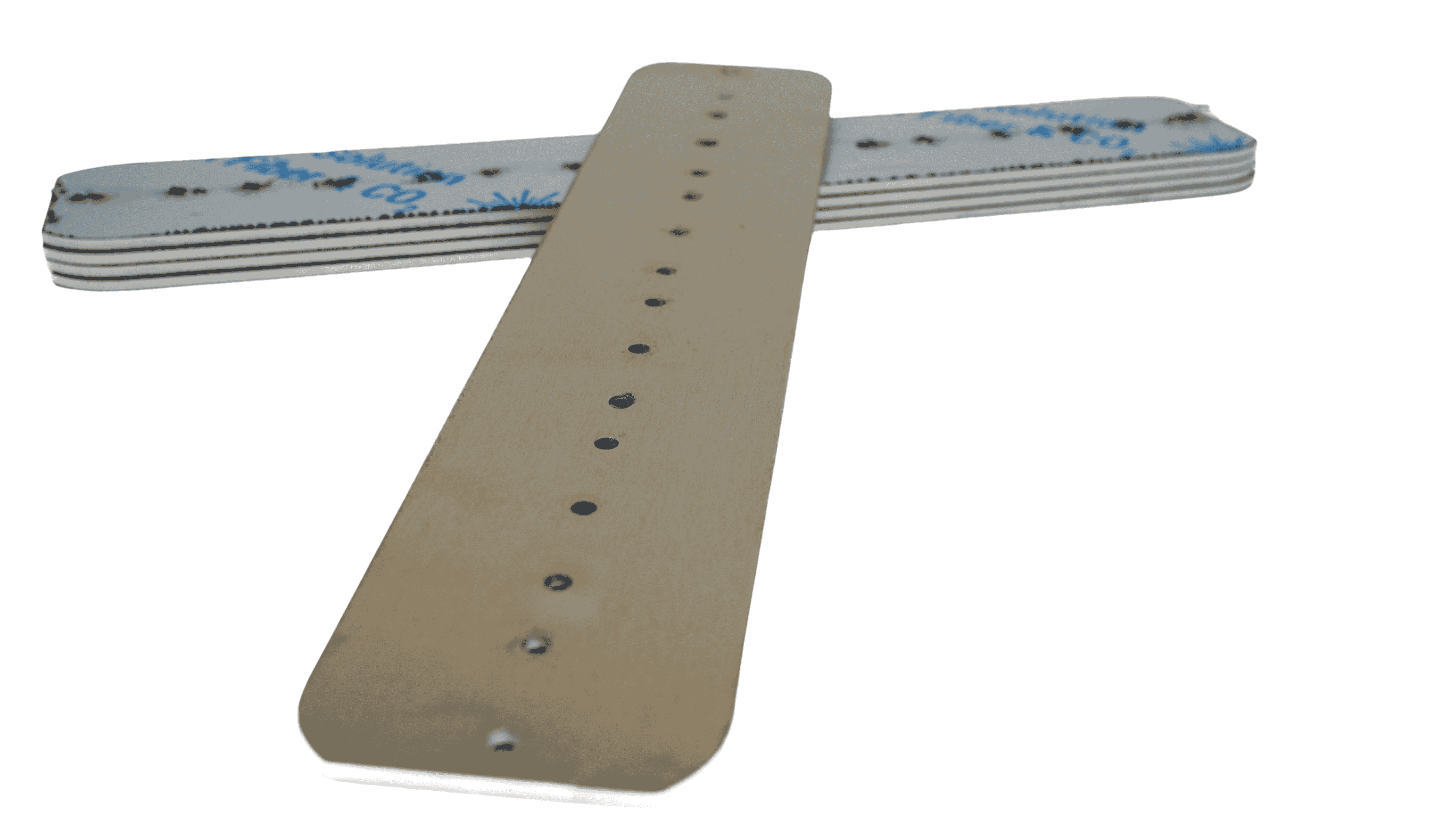
The internal textile reinforcement greatly increases tensile strength and tear resistance, making the material more suitable for high-stress or dynamic applications.
Is SBR rubber with reinforcement suitable for outdoor use?
Not for long-term exposure. SBR has limited weather and UV resistance. For outdoor applications, EPDM or neoprene is a better alternative.
Is this material resistant to oils and fuels?
No, SBR is not resistant to oils, greases, or fuels. For oil-related applications, NBR (nitrile rubber) is a more appropriate choice.
Can this material be laser cut despite the reinforcement?
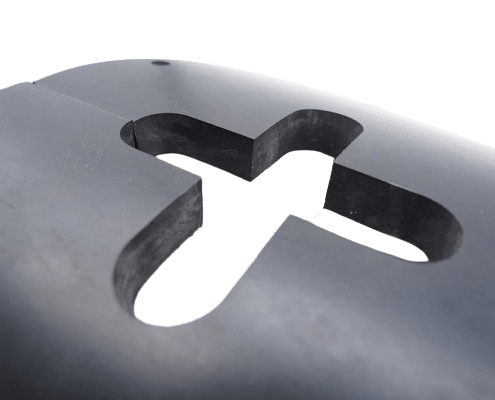
Yes, but with limitations. The textile layer may burn or fray. Milling or punching is often a better option for precise edges.
What is the operating temperature range of reinforced SBR rubber?
This material remains flexible between -30 °C and +90 °C. Beyond that, mechanical performance deteriorates rapidly.
How does reinforced SBR differ from non-reinforced SBR?
Reinforced SBR is stronger and more dimensionally stable, but less elastic. Non-reinforced SBR is softer and more flexible but weaker under tension.
Can this material be used as a vibration damper?
Yes, it’s highly suitable for vibration and shock absorption due to its elastic and reinforced structure.
What are suitable alternatives for reinforced SBR rubber?
Depending on the use case:
– EPDM for UV and weather resistance
– NBR for oil and fuel exposure
– Natural rubber (NR) for high elasticity